नेपालको पहिलो विद्युतीय घर
A journey through time, illuminating Nepal's first electrified home
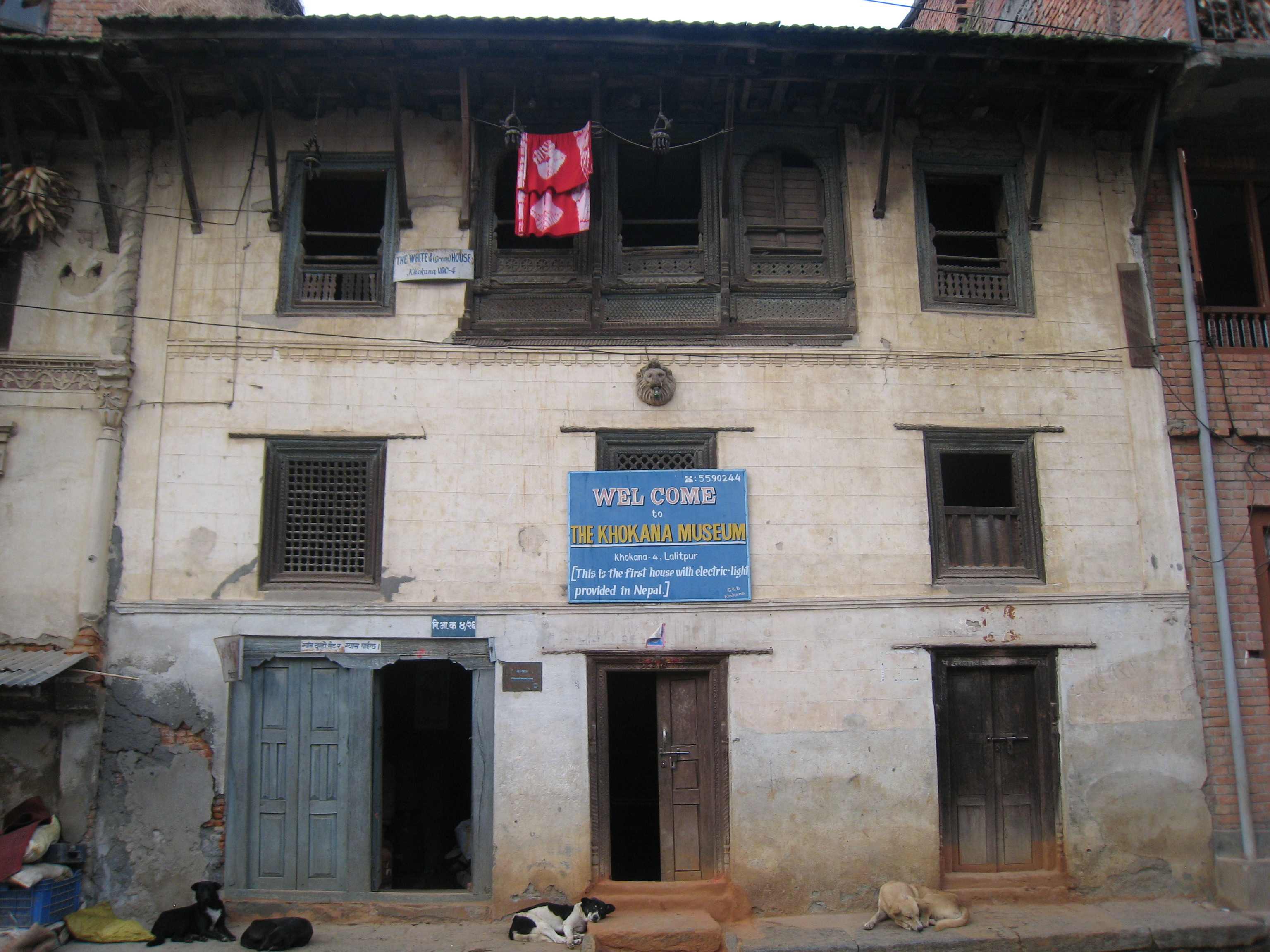
खोकना संग्रहालय
March 27, 2025
The Khokana Museum, located in the heart of Khokana village near Kathmandu, Nepal, is a hidden gem that preserves the rich history and culture of the Newar community.

The museum showcases a collection of artifacts that reflect the traditional lifestyle, craftsmanship, and religious practices of the local people, offering a fascinating insight into the past.

The exhibits include a variety of traditional tools, wood carvings, masks, and religious items, many of which are used during Newar festivals and ceremonies. The museum also highlights the local sesame oil production, which has been a vital part of Khokana’s economy for centuries. We were covered in a newspaper article.
See Our History
Khokana Museum

1881
Hydropower generation began in the United Kingdom in 1881, marking the early global development of electricity. This technological progress later influenced Nepal’s ruling elites, including Chandra Shamsher Rana, who encountered modern electricity during his visit to the UK.

1907
Prime Minister Chandra Shamsher Rana traveled to the United Kingdom for about ten weeks, where he learned about electricity production and its benefits. This exposure played a crucial role in shaping Nepal’s decision to initiate its first hydropower project.

1911
Before the official inauguration of Nepal’s first hydropower plant, a commoner’s house belonging to Siddhi Lal Maharjan in Khokana became the first in the country to be powered by electricity. This historic moment marked Nepal’s entry into the electric age and made Khokana a landmark in the nation’s technological history.

2015
The historic Bijuli Ghar, which also housed the Newa Art Museum, was severely damaged during the 2015 earthquake. Since then, the house has remained uninhabited and awaits reconstruction, threatening the loss of an important symbol of Khokana’s cultural and technological heritage.
See what our visitors have to say
Support the Khokana Museum
Help Us Rebuild the Museum
Help us preserve Nepal's rich history and culture by supporting our fundraising campaign.

Stay updated with our latest news and events